Consistent follow-up is cutting food waste in Eskilstuna, Sweden
Clear targets, daily measurement and knowledge-sharing between kitchens have been the recipe for reducing food waste in Eskilstuna municipality, Sweden. The results are striking — the municipality's 2030 target is already within reach, five years ahead of schedule.
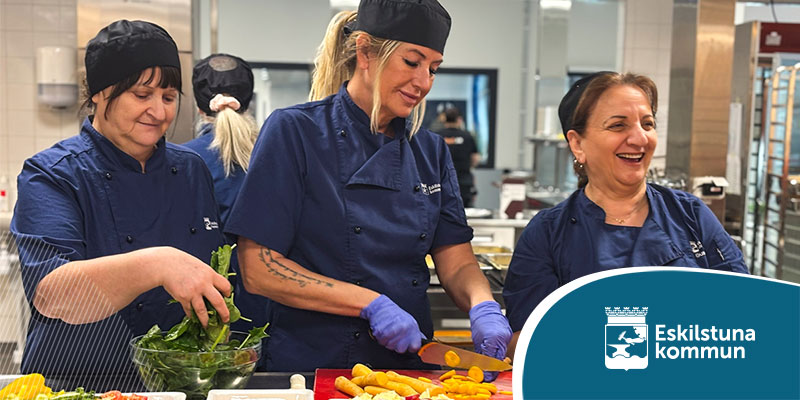
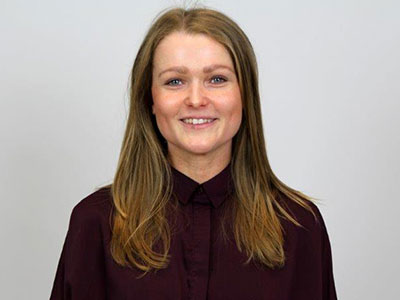
As part of our series highlighting food waste champions across the meal service sector, this instalment turns to Eskilstuna municipality in Sweden. Meal strategist Klara Trygg shares her experience and advice from the municipality's food waste journey.
Measuring food waste: from spot checks to daily routine
Reducing food waste always starts with measuring it. Eskilstuna has tracked food waste for many years, but until recently only measured it for one week every six months. Those spot checks showed low waste levels and encouraging results — yet Klara Trygg and her colleagues in meal services worried that this kind of sampling didn't give a fully accurate picture of everyday reality.
When the municipality set new, more detailed food waste targets, both the measurement method and the follow-up process needed to evolve. Eskilstuna's goal is to reach no more than 10 grams of serving waste and 5 grams of preparation waste per portion per day by 2030 — targets aligned with Sweden's national Agenda 2030 commitments on food waste. Today, kitchens use a digital tool, Matilda FoodWaste, to register and track waste types on a daily basis.
"A user-friendly solution has made it easy for kitchen staff to adopt the new daily routine," says Klara Trygg, meal strategist at Eskilstuna municipality. "We review the statistics with the kitchens every month — to celebrate progress and discuss where we can improve."
Sharing good examples and encouraging collaboration
Once daily measurement was in place, the data largely confirmed what the earlier spot checks had suggested — overall waste levels were already relatively low. But with a much larger dataset covering all 80 kitchens across the municipality, patterns emerged that hadn't been visible before. Some kitchens performed very well and pulled the average down, while others were well above target.
"With more detailed statistics, we can now see exactly which kitchens are succeeding and where we need to step in," Klara explains. "That means we can identify the strongest examples and let those kitchens inspire and support the ones that haven't come as far yet."
The starting point for Eskilstuna's work is that the answers already exist within the organisation — the people working with meals every day are the ones who know what actually works. That's why Klara and her colleagues actively create forums where staff from different kitchens can share experiences and learn from one another. A handbook on reducing food waste already exists, and an action plan for kitchens above target is currently being developed.
The real success factor: engagement and focus on food that gets eaten
Five years ahead of the 2030 deadline, Eskilstuna is already close to its target of a maximum of 15 grams of food waste per portion overall. Klara points to one key success factor above all: genuine engagement among kitchen staff. It isn't just about a number in a report — it's a real sense of pride in working resourcefully and not throwing food away.
Klara also stresses the importance of keeping the tone positive. Rather than pointing fingers or fixating on waste figures, the focus should stay on what really matters — food that gets eaten.
"Sometimes we need to stop and ask ourselves why we work so hard to reduce food waste. Our ambition is simple: as much food as possible should end up feeding the children and elderly people we serve. If we manage that, we've done our job — and cut waste at the same time," Klara concludes.
5 tips from Eskilstuna's food waste champion
- Find a reliable measurement method: The more often and the more precisely you measure, the more accurate and realistic your reporting becomes.
- Stay the course: Introducing daily measurement and new tools takes time to become routine — give kitchen staff extra support so it becomes a natural part of everyday work.
- Work actively with follow-up: Stay engaged, keep the dialogue going on results, and support kitchens with training and action plans for improvement.
- Create forums where different teams meet: The best solutions come from dialogue between kitchens.
- Celebrate success: Highlight the kitchens and teams that are getting it right, share good examples, and inspire others to follow.
Written by:
Jenny Gruvfält
Interested in seeing how your organisation could reduce food waste?